


October 23, 2025
Record-Breaker Rabada Flips The Script In Pakistan Vs South Africa Test
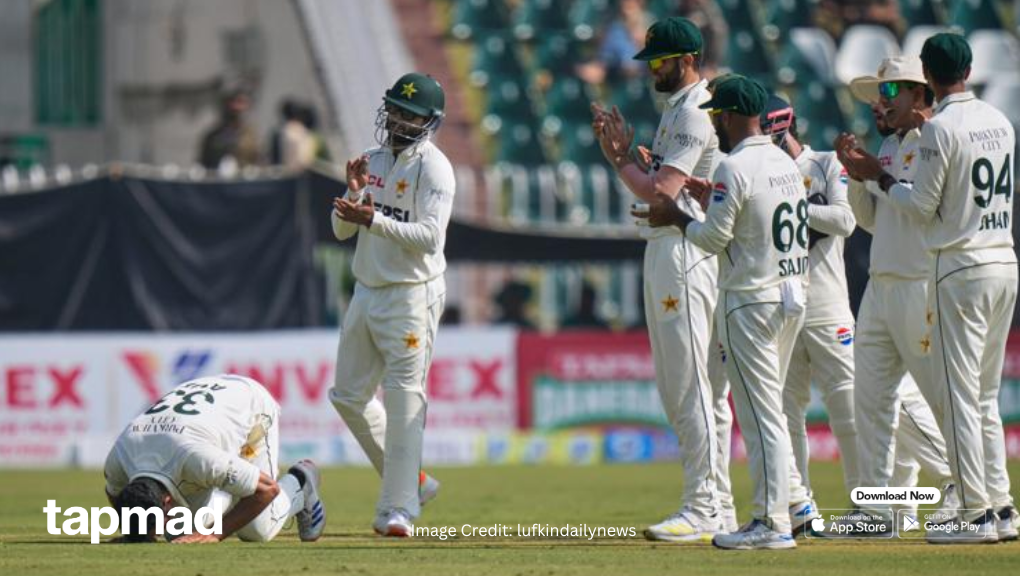

Cricket fans were in for a treat in the 2nd Test between Pakistan national cricket team and South Africa national cricket team at Rawalpindi. The headline story: Rabada’s unexpected batting heroics. The vaunted pace ace, known more for his seam than big scores, delivered an innings to remember. With his remarkable innings, he made history by breaking a 119-year-old record for the highest individual score by a South African, batting at No. 11.
When South Africa were struggling at 306 for 9 in reply to Pakistan’s 333 in the 1st innings, Rabada walked in with hardly any expectations of turning the game around. Then he lifted the tone. He hit four boundaries and four sixes and scored 71 off just 61 deliveries. That explosive batting put his team ahead by 71 runs.
That blow didn’t just swing a partnership; it swung the momentum. He shared a 98-run stand for the tenth wicket with Senuran Muthusamy, and Pakistan’s bowlers were scratching their heads, but they could not break the partnership. That moment flipped everything.
For Pakistan, the mood turned from cautious confidence to frustration. For South Africa, the tail-ender’s knock made SA win the 2nd test match. Emotionally, the dressing room must have felt the surge.
Rabada’s feat carries extra weight because the previous record, a 62 by Bert Vogler back in 1906, had stood untouched for 119 years.
Away from the bat, Rabada comes back from an injury in style. He not only impressed with the bat but also showed signs of regaining his old rhythm with the ball. The seamer looked sharp, his energy was high, and that comeback performance suggests he’s back to his best.
But for this Test, his batting turned the page. Cricket isn’t just about the big names at the top of the order. Sometimes a No. 11 batter can make the headlines, and that is what happened here.
Notably, Australia’s Ashton Agar holds the world record for the highest score by a No. 11 batter in Test cricket, with 98 runs against England during the 2013 Ashes series.