


January 21, 2026
Big Bash League 2026 Exposes Tough Phase for Babar and Rizwan
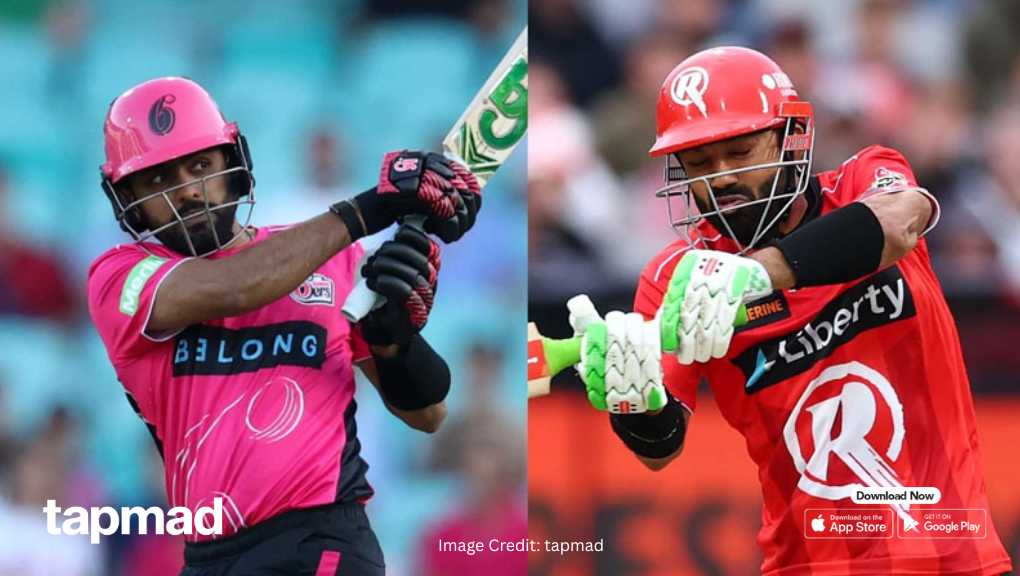

The Big Bash League again showed that reputation counts for little.
Babar Azam’s BBL performance was not satisfactory despite his fame and strong fan support. He joined the Sydney Sixers as a major signing but struggled to have an impact on games. In 11 matches, he scored 202 runs at a modest average. He looked technically sound, but his strike rate was around 100.
Babar found gaps and rotated the strike, yet the innings rarely kicked on. Control was there, acceleration was not. In Australian T20 cricket, that difference often decides games.
Rizwan’s Numbers Mirror The Problem
Mohammad Rizwan’s BBL performance had similar issues. He played for the Melbourne Renegades and scored 187 runs in 10 matches. In 10 matches, Rizwan could not manage to score a half-century, and strike rate was also around 100. BBL demands fast action and tremendous form.
For a Renegades side craving authority at the top, starting without expansion proved expensive. Rizwan showed intent and discipline, yet the Australian T20 game rewards boundary pressure far more than cautious survival.
What The BBL Demands Now
The Big Bash League has evolved into a tournament where tempo shapes reputations as much as technique. Overseas stars earn value through impact, not patience, and strike-rate debates surface quickly when the runs don’t flow fast enough.
Neither Babar nor Rizwan lost their standing as elite batters, but this BBL season delivered a clear message. Australia offers no grace period; it demands outcomes. This BBL 2026 campaign ended for Babar and Rizwan with more questions than declarations.