


September 29, 2025
Salman Agha Slams India’s Trophy Snub: “Disrespecting Cricket Itself”
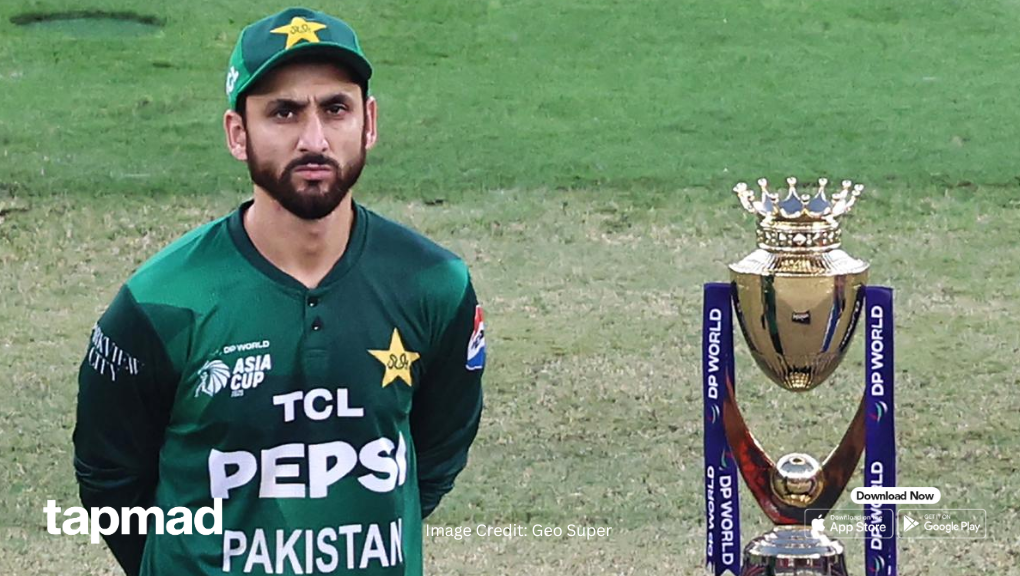

The Asia Cup 2025 final may have ended on the field, but the drama has only just begun. Pakistan captain Salman Agha lit up the post-match press conference with explosive remarks about India’s conduct, insisting the rivals had crossed a line. “They’re not disrespecting us,” he said. “They’re disrespecting cricket.”
No one wanted that to happen. India had just sealed a tense win in the last over, lifting what should have been a celebratory evening into chaos. Instead of uniting for the trophy presentation, the victors refused to accept the medals and trophy from Mohsin Naqvi, the ACC president and Pakistan’s cricket board chief.
Fans in Dubai waited for more than ninety minutes as the scene dragged awkwardly. When Pakistan players eventually went up for their medals, India stood apart, mocking with an “imaginary trophy” gesture that sent shockwaves across the stadium. “Good teams don’t do what they did today,” Agha said with a visible edge in his voice.
The tension didn’t stop there. For the third time in the tournament, the two teams did not exchange handshakes at the toss or after the final whistle. Cameras caught Suryakumar Yadav mimicking the act of lifting a non-existent cup, a moment that instantly went viral online. It wasn’t just gamesmanship. It looked like a deliberate snub.
“Of course, if it were up to Suryakumar, I think he’d have shaken my hand,” Agha revealed. “He did it privately earlier in the tournament, but when the cameras were on, he didn’t. That tells me he’s following orders.” The statement left reporters buzzing. Orders from whom? And why at such a high-profile event?
Suddenly, the points table was irrelevant. The headlines were stolen by a debate about sportsmanship and cricket’s spirit. Supporters from both nations filled social media with fiery exchanges. Some backed India’s stance, while others echoed Agha’s words, accusing them of setting the wrong example.
The captain, usually soft-spoken, didn’t hold back on the Asia Cup final controversy. “If a kid is watching this in India or Pakistan, what do they learn? We’re supposed to inspire them, but this doesn’t send a good message,” he said. “This is the first time I’ve ever seen something like this in my career.”
That one moment flipped everything. What should have been remembered as a thrilling finale, with Pakistan falling short in the chase by just a whisker, now risks being remembered for a stand-off that overshadowed the cricket.
Inside the ground, the atmosphere told its own story. Whistles, boos, and scattered applause clashed in the Dubai night. Some fans walked away shaking their heads, saying they had come for a final but left watching a political theatre.
Agha didn’t mention politics directly, but his closing words hinted at bigger forces at play. “I hope it stops at some stage, because it’s bad for cricket,” he said firmly. Salman Ali Agha also admitted that the way they batted wasn’t up to the mark and that they need to overcome their middle-order problem.
The Asia Cup often fuels drama, but this episode feels different. Rivalries are part of sport, yet refusing a trophy from the governing body has raised eyebrows far beyond the subcontinent. Will the ICC weigh in? Or will the storm pass as just another flashpoint in one of cricket’s fiercest rivalries? For now, the talking won’t stop.
And the lingering question remains: did India win the Asia Cup, or did they lose the moral ground?