


February 2, 2026
ICC Forced Into Emergency Meeting Amid Pakistan’s India Boycott
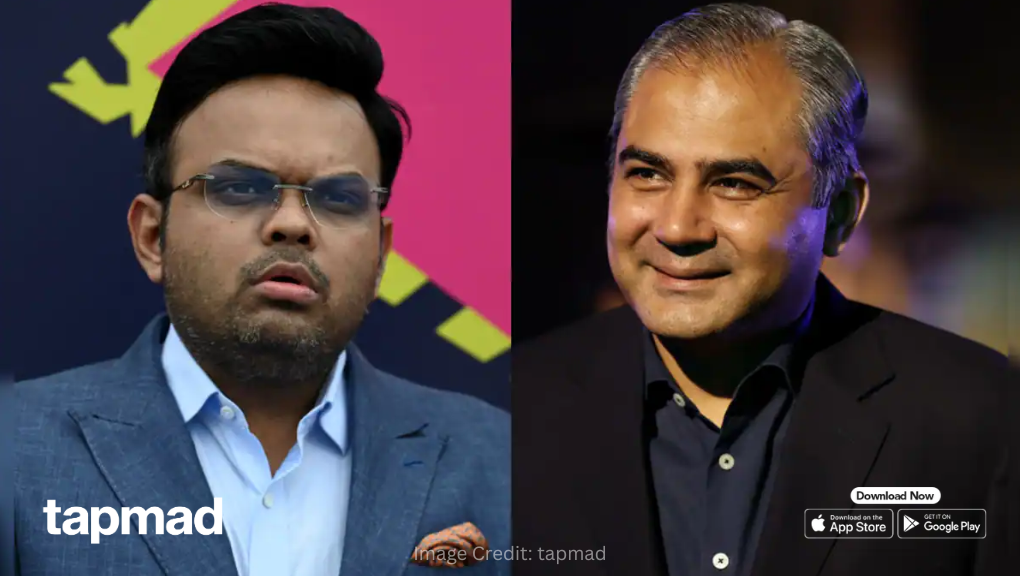

Cricket’s biggest rivalry has hit a political wall. The Pakistan India T20 World Cup boycott has triggered serious concern inside the game’s highest offices, prompting an urgent response from administrators tasked with protecting the event’s credibility.
An emergency virtual session was called as officials sought clarity on Pakistan’s refusal to take the field against India in Sri Lanka next month. The decision did not come from the dressing room. It arrived through official government channels after high-level discussions in Islamabad.
Pressure On Global Cricket Leadership
The ICC emergency meeting reflects how sharply the situation has escalated. Selective participation cuts against tournament agreements that every competing nation signs before a World Cup begins. Administrators are now weighing how far that breach stretches.
Broadcasters, sponsors, and host officials are watching closely. The India-Pakistan fixture anchors global viewership and fuels commercial projections months in advance. Removing it leaves a visible hole, both financially and competitively.
Sanctions Now Firmly On The Table
Sources suggest penalties are under active discussion. Heavy fines are one route. Tournament suspensions form another. The ICC emergency meeting is also expected to examine whether compensation claims from broadcast partners can be passed on to the Pakistan Cricket Board.
Beyond the World Cup, the ripple effect could spread into bilateral cricket and franchise leagues. Restrictions on future scheduling remain a realistic outcome if no compromise emerges.
A Rivalry Stalled, A Tournament Tested
While Pakistan has clearance to play the rest of the competition, the Pakistan India T20 World Cup boycott leaves the points table distorted before a ball is bowled. Fans expected noise, tension, and packed stands. Instead, uncertainty dominates.
The ICC now walks a tightrope. Preserve neutrality, enforce its rules, and keep the World Cup intact. The next decision may define how international cricket handles political red lines in the years ahead.
Read more: PCB unveils the Vanguard Markhor T20 World Cup 2026 jersey.