


February 4, 2026
ICC Opens Back-Channel Talks with PCB on India T20 Match
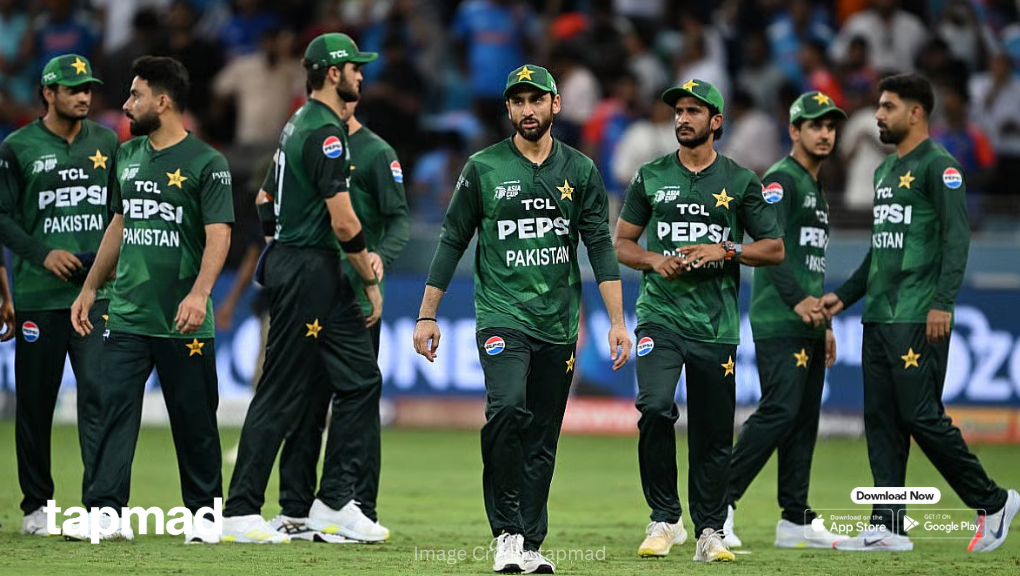

Concern is growing in the International Cricket Council after Pakistan signaled it will skip its match against India at the upcoming tournament. The response was swift but discreet. Senior officials began sounding out options beyond formal letters, hoping dialogue could soften a hard position.
Deputy chairman Imran Khawaja is leading the ICC PCB talks through informal contact. His role is to listen, engage, and see if any common ground still exists.
Government Shapes Pakistan’s Decision
The refusal traces back to Islamabad. After a closed-door meeting between Prime Minister Shehbaz Sharif and board chief Mohsin Naqvi, the government approved Pakistan’s participation but blocked the India match. Officials later confirmed the decision, leaving the Pakistan Cricket Board with no real leverage.
Inside cricket circles, the move is seen as more than just symbolism. Officials say it is a form of leverage linked to complaints about scheduling and governance. The phrase "T20 World Cup boycott" is spreading in broadcast circles, raising concern beyond the field.
Financial and Sporting Stakes Rise
For the ICC, selective participation cuts at the tournament’s core. Playing agreements demand full compliance, and breaches carry consequences. Behind the scenes, discussions now include fines, future tournament restrictions, and commercial compensation. Broadcasters are already calculating potential losses if marquee fixtures vanish.
The Pakistan Cricket Board could also face strain closer to home. Sponsors, overseas players, and league partners are watching closely. The ICC and PCB are expected to hold another round of talks before the board meets to assess tournament integrity and decide its next steps.
What started as a dispute over one fixture now threatens to derail the entire Pakistan vs India T20 World Cup campaign. Time is running out, and continued silence is no longer an option.