


February 3, 2026
ICC Warns Pakistan Over India Boycott at T20 World Cup
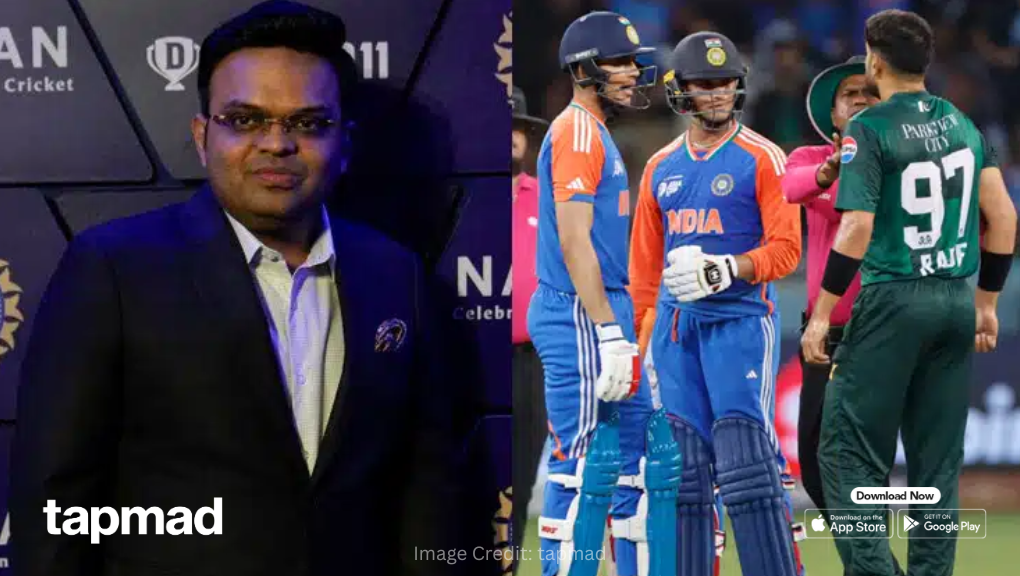

The ICC moved fast on Sunday after Pakistan confirmed it would play the T20 World Cup 2026 but refused to face India. The dialogue landed within hours. The message from the governing body was blunt. Global tournaments do not function on selective terms.
Pakistan were due to meet India on February 15 in Colombo, a fixture already circled by fans worldwide. Instead, the government’s call changed the narrative within hours. The ICC responded by stating it had received no official word from the Pakistan Cricket Board, yet made its position unmistakably clear.
According to the ICC, asking to avoid a specific opponent cuts against the core principle of equal competition. That principle, the body stressed, keeps international cricket credible.
Sporting Integrity At The Centre Of The Dispute
In its statement, the ICC underlined that tournaments are built on fairness, consistency and open competition. The ICC warning to Pakistan highlighted how refusing one matchup risks unsettling the entire event structure.
While acknowledging that governments influence national decisions, the ICC insisted such moves rarely serve the sport. The fallout reaches beyond one fixture. Fans lose the game and everyone circles first. Broadcasters lose their biggest draw. Other teams sit in limbo. For Pakistan cricket, the message cut deeper.
The ICC flagged possible long-term consequences and reminded the PCB that global cricket runs on collective obligation, not selective participation.
What's Next in the T20 World Cup 2026
For now, the schedule stays put. Pakistan remain in Group A with India, Namibia, the Netherlands and the United States, with all fixtures slated for Sri Lanka. Their run begins against the Netherlands on February 7, before meetings with the USA and Namibia.
But the damage is already visible. The Pakistan-India boycott has pulled focus away from teams, form and conditions. The noise has shifted to boardrooms. Behind the scenes, the ICC has placed the responsibility back on the PCB, urging it to find common ground and shield the tournament’s credibility before the dispute starts to define the World Cup itself.
For now, the warning stands. The ball, as they say, is back in Pakistan’s court.