


July 30, 2026
FIFA Faces Growing Backlash Over $20 Billion Investment Plan
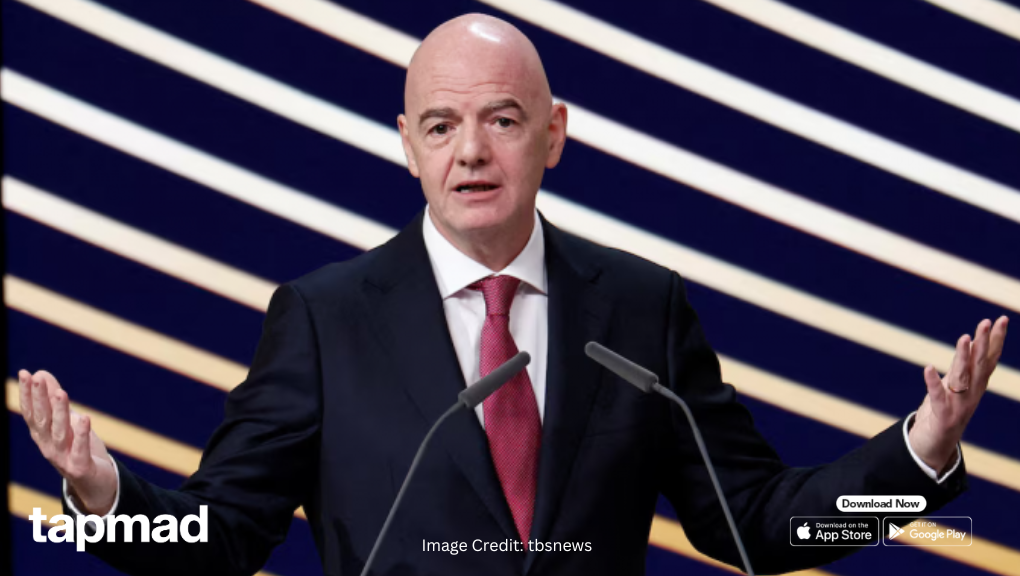

FIFA's proposal to establish a $20 billion commercial subsidiary has sparked one of the biggest governance disputes in modern football. Under the plan, outside investors could acquire up to a 20% stake in a new company that would control the commercial rights of the FIFA World Cup and other major tournaments.
The strongest opposition has come from UEFA, which accused FIFA of crossing a line by treating football's governance as a commercial asset. UEFA argued that the sport belongs to its global community, not any single governing body, and criticized the absence of transparency over potential investors and financial arrangements. The organization called for every stakeholder, including national associations, leagues, clubs, players and supporters, to be fully involved before such a significant decision is considered.
Global football bodies join opposition
The backlash quickly spread across the football world. CONCACAF expressed disappointment that the proposal became public before meaningful discussions with member associations and governing bodies. The Asian Football Confederation also urged FIFA to provide complete details on the legal, commercial and governance implications, saying stakeholders need adequate time to assess the proposal before reaching any decision.
Several national federations echoed those concerns. French Football Federation president Philippe Diallo questioned why member associations had not been consulted and confirmed he would discuss the matter with UEFA president Aleksander Ceferin and other European football leaders. England's Football Association said it had no prior knowledge of the proposal and voiced concerns about both the process and the limited information currently available.
Prominent football figures also weighed in. LaLiga president Javier Tebas criticized the proposal, saying FIFA's commercial rights should not be treated as personal property, while former FIFA president Sepp Blatter warned that football should never be sold to outside financial interests. Denmark's Football Association described the proposal as potentially having far-reaching consequences for the global game.
Not every response was negative. Czech Football Association president David Trunda said the proposal could benefit smaller football nations if implemented responsibly, though he acknowledged that far more information is needed before any conclusions can be reached.
Germany's Football Association vice president Hans-Joachim Watzke said there is broad agreement among European associations in opposing the proposal, arguing that a united European stance would carry considerable influence. European Union Sports Commissioner Glen Micallef also criticized the growing commercialization of football, warning that financial expansion must not come at the expense of transparency, trust and good governance.
As FIFA prepares to present further details, pressure continues to mount. What began as a commercial proposal has evolved into a global debate over who should control football's future and how major decisions affecting the sport should be made.