


July 29, 2026
FIFA World Cup Stake Sale Plan Sparks Major UEFA Revolt
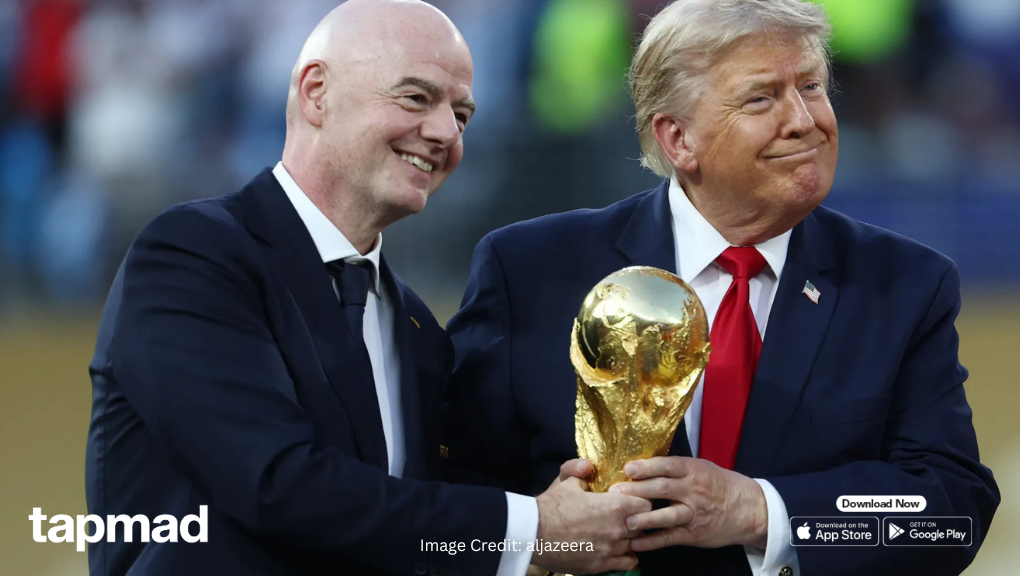

A major battle is brewing over the future of the FIFA World Cup after football's governing body unveiled plans to open part of its commercial empire to outside investors.
FIFA wants to establish a new subsidiary valued at around $20 billion to oversee the World Cup and several other tournaments. While the organization would remain the controlling shareholder, it intends to sell minority stakes worth up to 20 percent, potentially raising more than $4 billion for future development projects.
The proposal still requires approval from FIFA's 211 member associations, but it has already sparked an explosive UEFA FIFA dispute that could reshape football's political landscape.
According to FIFA, the money generated would be directed toward expanding the game, improving infrastructure and increasing investment in developing football nations. President Gianni Infantino defended the proposal, arguing that the sport's commercial success should benefit every region rather than a handful of powerful markets.
FIFA also stressed that sporting decisions, tournament regulations and governance would remain under its exclusive control, even if outside investors acquire minority ownership in the commercial entity.
That assurance has done little to calm Europe.
UEFA reacted within hours, calling the proposal unacceptable and warning that football's governing institutions should never treat the sport as a financial asset available for investment. The governing body argued that the plan lacks transparency and questioned who would ultimately benefit from the commercial arrangement.
The UEFA FIFA dispute quickly gained political attention as criticism spread beyond football administrators. British Prime Minister Andy Burnham publicly opposed the proposal, insisting the World Cup belongs to supporters rather than investors.
His remarks echoed growing concerns that football's biggest tournament risks becoming another commercial product instead of remaining a competition built on sporting tradition.
The proposed investment group is expected to be led by a vehicle established by Joshua Kushner, brother of Jared Kushner, according to FIFA. That detail has added another layer of scrutiny as debate intensifies over outside influence in global football.
For now, the FIFA World Cup proposal remains only a plan. Yet the sharp resistance from UEFA signals that the coming vote could become one of the most divisive moments in modern football governance. Whether member nations embrace FIFA's commercial strategy or side with Europe's objections may determine how the sport's richest tournament is managed for years to come.