


May 6, 2026
BBL Privatisation Push Gains Pace Despite State Resistance
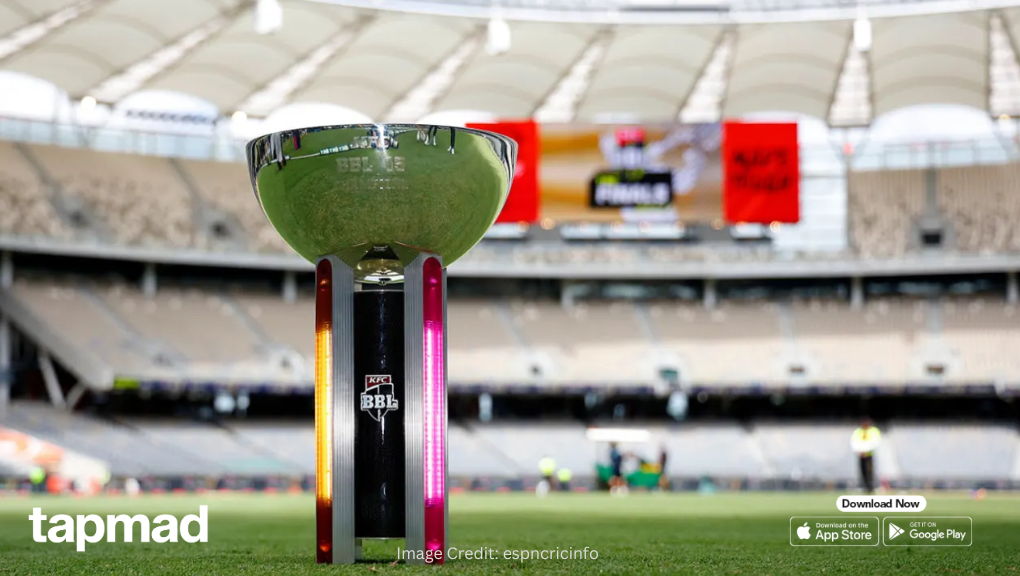

Cricket Australia is pushing forward with one of the biggest financial shifts the competition has seen since the league began. The debate around BBL privatisation has now spilled into public view..
Several state bodies are refusing to move, but others are already preparing for the next stage. Victoria, Western Australia and Tasmania are expected to test investor appetite for stakes in Melbourne Renegades, Perth Scorchers and Hobart Hurricanes.
The move does not mean franchises are being sold tomorrow. Not even close. What Cricket Australia wants first is market feedback. Officials are searching for valuations, investor interest and long-term commercial possibilities before any formal auction process begins.
Franchise Stakes Trigger New Divide
At the centre of the discussion is the proposed sale structure tied to the Cricket Australia BBL sale strategy. Cricket Australia owns all eight clubs outright, while state associations operate them through long-term agreements. That detail has caused confusion among supporters who believed states fully owned the teams.
Under the proposal, states could sell stakes ranging between 49% and 75%. Some clubs may even be fully transferred if state bodies decide against retaining operational control. Melbourne Renegades have become the most intriguing case because a full sale remains possible.
That possibility has already sparked chatter around IPL-linked investors. The idea of overseas franchise owners stepping into Melbourne cricket has raised eyebrows across Australia.
The potential attraction is obvious. Melbourne remains one of the strongest sporting markets in the world, while the BBL still carries enormous broadcast pull despite recent criticism over scheduling and player availability.
Cricket Australia chief executive Todd Greenberg described privatisation as “inevitable” last week, and those words landed heavily inside state boardrooms. No doubt about it.
New South Wales and Queensland remain opposed, though for different reasons. NSW believes the competition can generate stronger revenue internally without external ownership entering the picture. Queensland, meanwhile, reportedly questions whether player salary inflation is necessary at all.
Instead of moving as a united competition, Australian cricket suddenly finds itself split between commercial expansion and traditional control.
Investor interest appears genuine already. Global firms linked to recent Hundred investments in England are expected to monitor developments closely. IPL franchise groups are also watching. Their growing influence across world cricket remains impossible to ignore.
Why Fans Are Split Over the BBL’s Future
Supporters are nervous about what comes next. Some fear team identities could disappear beneath overseas branding and corporate colours. Others believe private funding could finally help the BBL compete financially with SA20 and ILT20 leagues.
The numbers involved are massive. Estimates suggest individual teams could attract valuations between AUD$80 million and AUD$180 million depending on ownership percentage and operational rights. When those figures began circulating internally, attention around the league intensified quickly.
And yet, there is another layer underneath this fight.
Several states continue carrying heavy financial pressure from stadium projects and infrastructure costs. Private investment could ease that burden. For smaller cricket bodies, that money changes everything.
Meanwhile, resistance remains firm among traditional administrators who worry outside ownership may eventually influence scheduling, governance and player movement. So, that concern is not disappearing anytime soon.
The next phase now depends on market testing. If investors submit strong valuations, momentum behind the Cricket Australia BBL sale process could become difficult to stop. If interest falls short, states opposing privatisation may suddenly gain leverage.
Either way, Australian cricket has entered unfamiliar territory. The conversations happening behind closed doors now could reshape the BBL for decades.