


October 1, 2025
Asia Cup Trophy Row Deepens as Naqvi Hits Back at India’s BCCI
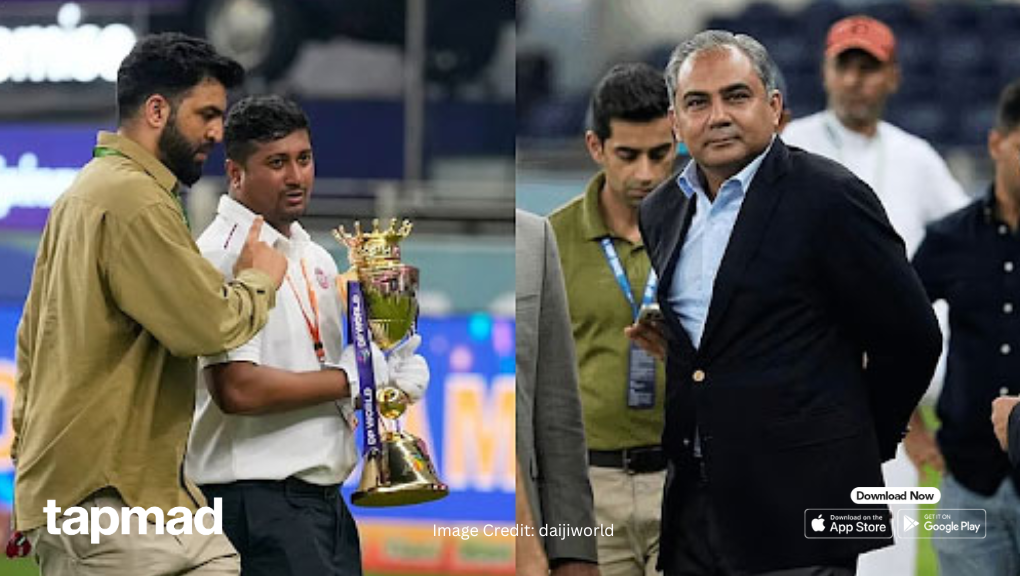

The Asia Cup trophy controversy is still not settled. What should have been a proud celebration of India’s ninth Asia Cup title instead turned into a political storm, leaving the ceremony awkward, the ACC chairman embarrassed, and fans frustrated.
At the heart of it stands Mohsin Naqvi, chairman of both the Asian Cricket Council (ACC) and Pakistan Cricket Board (PCB). His words have echoed across the cricketing world. “I felt like a cartoon,” Naqvi said, describing the moment he stood on the dais, holding the medals and trophy, waiting to hand them over to India’s captain. The Indian team did not come up to collect the trophy and the medals.
Naqvi has refused to return the trophy immediately, keeping it in his Dubai hotel room. His stance has been simple: respect matters. He claims he was not told that India would not accept the award from him. Fans who watched the ceremony replay said the awkwardness was clear. The stage felt tense, almost empty.
The Board of Control for Cricket in India (BCCI), however, sees it differently. Officials Rajiv Shukla and Ashish Shelar argued during an ACC meeting that the trophy belongs to the winners and must be collected by India. They even threatened to take the matter up with the ICC. Yet Naqvi insists this is about more than silverware. “This is about dignity,” he reportedly told colleagues.
The clash reveals an old wound. For years, cricket between India and Pakistan has been entangled in politics. Every time the two boards meet, friction follows. This time, even a presentation ceremony could not escape it. Honestly, you could feel the politics overshadowing the sport.
Supporters of Naqvi believe he was unfairly humiliated. After all, the role of an ACC chief is to present trophies. By bypassing him, the Indian players and officials not only snubbed him personally but questioned the authority of the body itself. That’s a dangerous precedent. The issue looks bigger than one trophy. It raises doubts about whether the ACC can truly function if one member board is allowed to dictate terms so openly.
The atmosphere after the match said it all. While Indian fans celebrated their win, Pakistani supporters pointed to the awkward visuals of Naqvi waiting alone on stage. Social media has since buzzed with debate. Some called India’s decision justified. Others called it disrespectful. The divide mirrors the political one.
Naqvi, meanwhile, has tried to move the discussion away from the ACC’s Annual General Meeting, insisting it should be addressed separately. Still, his words carry weight. His refusal to hand over the medals immediately is a symbolic act of defiance, a reminder that cricket governance must not be treated lightly.
The coming weeks will show where this saga heads. Will the ICC be drawn into what is essentially a political standoff? Or will quiet negotiations smoothen things out? For now, the trophy sits not in India’s cabinet but in Naqvi’s hotel room.
One thing is certain. The Asia Cup 2025 will not just be remembered for the runs scored or the wickets taken. It will be remembered for the ceremony that never really happened.