


May 18, 2026
Japan FIFA World Cup 2026 Squad and Team Preview
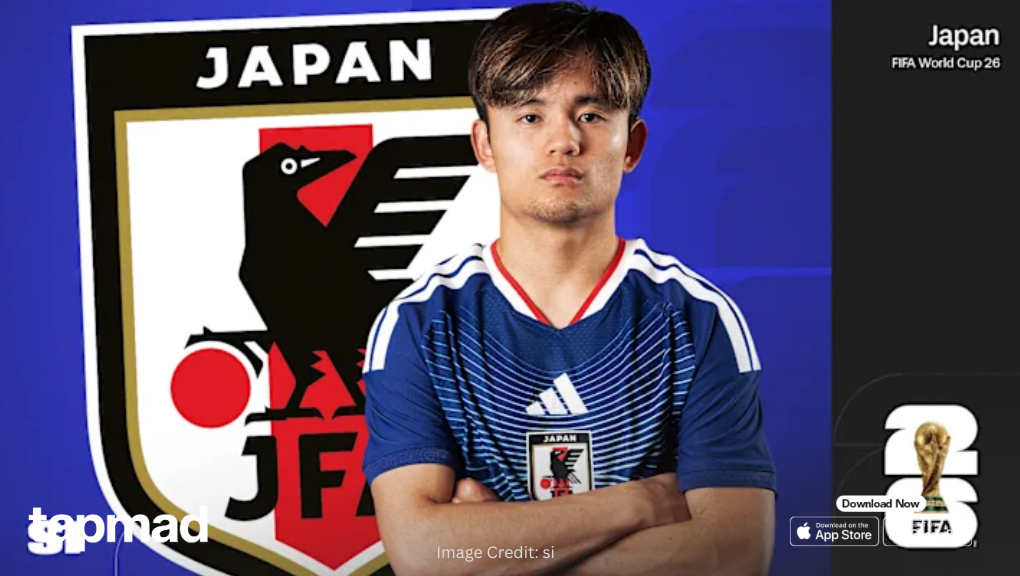

Japan enters the 2026 FIFA World Cup not as underdogs, but as a side that has earned the right to be taken seriously. The Samurai Blue have moved beyond the image of a disciplined underdog and are now viewed as a serious tactical team capable of beating elite opponents. The wins over Germany and Spain in Qatar in 2022 changed the conversation. What Hajime Moriyasu has built since then is a squad with a genuine European pedigree, tactical intelligence, and enough collective quality to cause problems for any opponent in the field.
Japan qualified through the AFC campaign and became the first non-host nation to secure their 2026 World Cup place, winning their qualifying group comfortably ahead of schedule. That record was not built on luck. It reflected a team that has developed real consistency across every phase of the game.
The Japan World Cup Squad 2026
Goalkeepers: Hayakawa Tomoki, Suzuki Zion, Osako Keisuke
Defenders: Nagatomo Yuto, Taniguchi Shogo, Tomiyasu Takehiro, Itakura Ko, Watanabe Tsuyoshi, Hiroki Ito, Suzuki Junnosuke, Seko Ayumu, Sugawara Yukinari
Midfielders and Forwards: Kamada Daichi, Sano Kaishu, Tanaka Ao, Endo Wataru, Nakamura Keito, Doan Ritsu, Ito Junya, Kubo Takefusa, Suzuki Yuito, Ueda Ayase, Ogawa Koki, Maeda Daizen, Shiogai Kento, Goto Keisuke
Tactical Setup and Likely Formation
Japan can use a 4-2-3-1, 4-3-3, or back-three structure depending on the opponent. Moriyasu has shown a willingness to adapt, especially in tournament football, where second-half tactical changes can decide matches. The most likely base shape heading into the group stage is a 3-4-2-1, a system that gives Japan defensive solidity while allowing the wide attackers to operate with freedom.
Japan's pressing is organised rather than reckless. The team can force opponents wide, trap passes near the touchline, and then attack quickly after recovery. Their collective discipline is one of the strongest parts of the system.
The midfield is where Japan's structure holds together. Japan is captained by midfielder Endo Wataru, who starred in the Bundesliga for Stuttgart and now plies his trade in the Premier League with Liverpool. Endo's role as the defensive screen behind the midfield allows Kamada Daichi and Tanaka Ao to operate with greater freedom in the middle third. Kamada, currently at Crystal Palace, brings directness and creativity. Tanaka contributes energy and intelligent off-ball movement, and the combination of the three gives Moriyasu a midfield that can both win the ball and use it effectively.
The midfield will have to cope without Sporting CP star Hidemasa Morita, who misses out entirely due to injury, further cementing Moriyasu's preference for veteran leadership in the middle of the pitch.
Kubo, the Attack, and the Key Players
Japan does not have a single figure who dominates in the way that some other squads are built around one player. What they have instead is a group of wide attackers who can collectively shift games, and at the front of that group is Takefusa Kubo.
Takefusa Kubo will arrive at the 2026 FIFA World Cup as one of the biggest stars in Asian football and the player expected to lead Japan's new generation. The 24-year-old Real Sociedad forward collected four goals and eight assists during Japan's AFC qualifying campaign alone, and his ability to create from wide areas or cut into central zones makes him the most difficult player in this squad for opposition defences to handle consistently.
Fondly referred to as the "Japanese Messi" in his homeland due to his superb technical ability, Kubo will look to bamboozle defenders with his searing speed and supreme agility.
Beyond Kubo, Doan Ritsu offers another dangerous wide option. Doan starred on the wing against England at Wembley and had a huge impact at the World Cup 2022, scoring the equalising goals against both Germany and Spain off the bench. His ability to arrive late into the box and finish under pressure makes him a threat that opponents cannot afford to ignore.
Moriyasu's side has been dealt a significant blow with star wingers Kaoru Mitoma and Takumi Minamino both ruled out of the tournament due to injury. Those are real absences, but stepping up to the plate will be Takefusa Kubo, who remains one of the most lethal wingers in Europe and is capable of making a difference on his own. Nakamura Keito provides another creative option in wide areas, and Ito Junya adds directness and crossing threat from the opposite flank.
Defensive Structure and Suzuki's Role
Japan is well-covered in the goalkeeping department, with Parma goalkeeper Zion Suzuki locked in as the leading contender to start between the sticks for the Samurai Blue. Suzuki has established himself as the first choice in goal, and his performances at the club level have given Moriyasu no reason to look elsewhere.
The defensive unit in front of him carries both experience and genuine quality. Hiroki Ito will be a key figure in defence; although his first season with Bayern Munich was affected by injuries, his return to fitness makes him a vital asset. Alongside him, Tomiyasu Takehiro brings Premier League experience after his time at Arsenal, while Itakura Ko provides composure and aerial presence. The headline inclusion in defence is Nagatomo Yuto, who will make history as the first Asian player to play in five different World Cups. At 39, Nagatomo is not the same player who was part of Japan's best generations, but his experience and reading of the game remain useful assets in a squad context.
Japan's Form and What the Numbers Suggest
Japan conceded just three times across 16 qualifying matches, scoring 54 goals in the process. That defensive record is among the best of any team heading into the tournament, and it reflects both the quality of Japan's defensive organisation and the effectiveness of their pressing system in limiting opposition chances.
Moriyasu masterminded back-to-back away wins against Scotland and England in the final international fixtures before naming his tournament squad. Beating England 1-0 at Wembley is not a result that can be dismissed as a fortunate outcome. It confirmed that the Japanese side is capable of performing against high-quality opposition on the road.
Japan is in Group F with the Netherlands, Sweden, and Tunisia. The schedule begins with the strongest opponent on paper, making the opening match a major test of Japan's defensive structure and transition game. Sweden, with Viktor Gyokeres leading their attack, offers a physically imposing alternative. Tunisia is compact and disciplined. Japan will be expected to progress, but none of those three matches come without tactical demands.
Strengths and Realistic Concerns
Japan's strengths as a collective are well-documented. Moriyasu's Japan is one of the most aggressive pressing teams in international football. Their discipline without the ball is among the best in the tournament. The European-based core gives the squad a technical base that has become standard rather than exceptional. And the attacking flexibility, particularly with Kubo, Doan, and Ito available in wide areas, means they can hurt teams in multiple ways.
The system's vulnerability is the same as it has always been under Moriyasu: if the pressing is bypassed quickly with a ball in behind the defensive line, the back three's recovery pace is tested. Japan also has a tendency to create more than they convert, and at a World Cup, that gap between chances created and goals scored can determine whether a team advances or exits in tight games.
The injury absences of Mitoma and Minamino do narrow the attacking options at the top end. Whether Kubo can carry the creative responsibility across three group matches, and potentially beyond, is one of the central questions for this squad.
Final Words
Japan is expected to line up with Suzuki Zion in goal, a back three of Taniguchi, Tomiyasu, and Hiroki Ito, with Doan and Sugawara as wing-backs. Endo anchors midfield alongside Tanaka and Kamada, with Kubo and Nakamura supporting Ueda Ayase through the middle.
The main limitation for Japan is their depth compared to South American and European giants in the later knockout rounds. That said, if Moriyasu can guide them past the group stage with confidence, a quarter-final appearance is within the range of this squad's capabilities. Japan's Round of 16 ceiling has been broken before in terms of ambition. The 2026 tournament represents the clearest opportunity yet for the Samurai Blue to prove it can be broken in reality.