


December 27, 2025
Ind-W vs SL-W 4th T20I Preview
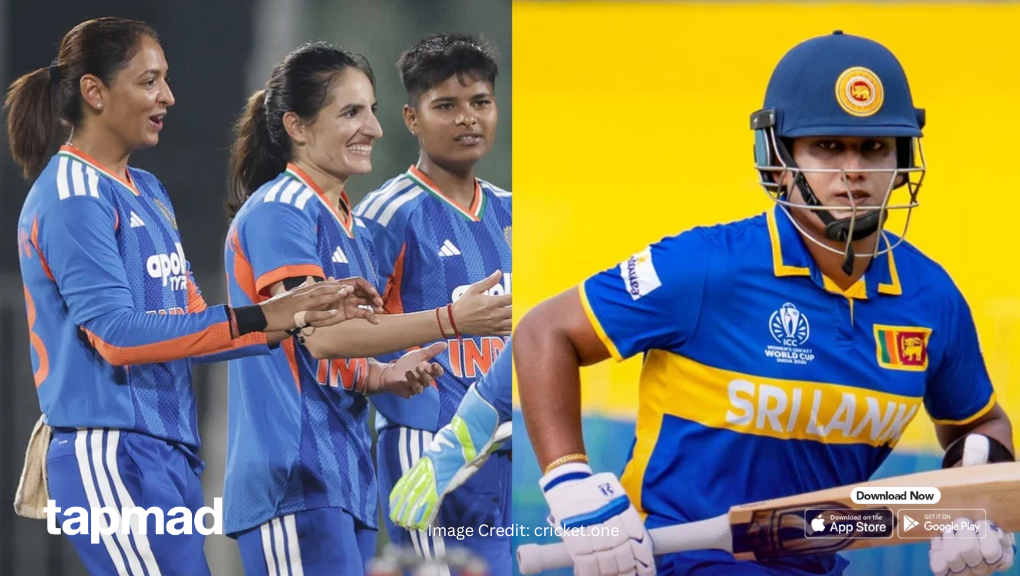

Sometimes, cricket fans dismiss matches played after a side has secured the series. However, games like the IND-W vs SL-W 4th T20I reveal the personality of teams more than any result-driven contest.
For SL Women, the losses in the earlier matches were not just about skill gaps. Moments of hesitation, lapses in partnerships, and pressure in key overs have defined their campaign. The 4th T20I offers them the chance to reset mentally, detach from earlier games, and show resilience.
India’s Winning Blueprint: Discipline First, Firepower Later
The India Women cricket team has executed a simple yet powerful formula throughout the series. They win the toss, choose to bowl, apply disciplined pressure with the new ball, and slowly choke opposition scoring through intelligent spin in the middle overs.
Bowlers understand their fields and plans, while Batters approach chases with patience rather than panic.
India’s coaching group deserves credit for creating a culture where bowlers are trusted to set up wins. Youngsters are encouraged to stick to plans instead of searching for magic deliveries. That patience has reduced risk, increased control, and kept matches firmly in their grasp.
This balance between aggression and restraint has made the Indian Women’s cricket team hard to unsettle.
Sri Lanka Women T20 Team: Searching for Stability
Sri Lanka Women have produced tight overs, flashes of strong batting, and moments where they seemed close to shifting momentum.
Their early wickets fall too often, forcing the middle order into survival mode. Partnerships rarely extend beyond short bursts, but bowlers manage to build pressure, but follow it with boundary releases.
If Chamari Athapaththu gets going, Sri Lanka appears competitive. To compete in the India vs Sri Lanka women’s cricket rivalry, the team must learn to distribute responsibility.
The 4th T20I offers a chance to test combinations, rearrange batting roles, and allow emerging players like Imesha Dulani to settle into big-match environments.
Key Players Who Could Shape the 4th T20I
Shafali Verma
The fearless strokeplay of Shafali Varma forces bowlers to rethink their plans instantly. When she attacks, fields scatter and bowlers shift from offense to survival. Her role is more than running; she sets the tone and removes pressure from others.
Smriti Mandhana
Her timing, placement, and ability to rotate strikes make chases appear straightforward. Even when boundaries are dried up, Smriti Mandhana maintains rhythm and gives confidence to younger batters.
Deepti Sharma
She senses when to slow the game and when to push. Her offspin frustrates batters, and her tactical awareness turns matches gradually rather than dramatically.
Renuka Singh
Her ability to move the ball in the air and off the pitch during powerplays creates uncertainty. Early breakthroughs create control, something India values deeply.
Chamari Athapaththu
She is the heartbeat of Sri Lanka Women T20 cricket, as If she anchors an innings, Sri Lanka build belief. If she dominates powerplay scoring, the match finds new life.
Inoka Ranaweera
When she settles into rhythm, she can slow India’s chase and create doubt.
Venue Analysis: What Thiruvananthapuram Usually Offers
The Greenfield surface rarely behaves like a flat batting paradise. As overs progress, the pitch slows, encouraging spinners who vary pace.
A competitive total generally sits around 140–155, unless an exceptional batting display changes the script. Bowlers who keep their areas consistent often enjoy success, while reckless aggression is punished.
Comparing the Two Teams: Not Skill Alone, but Execution
When examining IND-W vs SL-W 4th T20I projections, the difference is less about individual ability. India sticks to game plans even under pressure, while Sri Lanka often abandons structure when tested.
Bridging that gap requires composure and belief more than technical change.
The Mental Battle Within the Game
International sport often sees contests decided before the toss. Teams trailing in a series sometimes carry earlier disappointments into new matches, affecting shot selection and fielding sharpness.
India have shown composure regardless of match situation. Sri Lanka need to clear their minds and treat the 4th T20I as a fresh opportunity instead of a continuation of defeats.
This psychological reset could determine whether the match remains competitive beyond the opening overs.
What Sri Lanka Must Do Differently
They do not require extraordinary tactics, and they must remain disciplined:
- Build at least one stable partnership
- Resist risky shots immediately after hitting boundaries
- Keep fields tighter during the middle overs
- Convert half-chances into wickets
- Support key bowlers with consistent lines
India's Broader Vision: Preparing Beyond This Series
India is using this series as part of a long preparation cycle. They are shaping replacements, building confidence among younger players, and learning to win in varied conditions.
This awareness of the bigger picture allows them to stay levelheaded. In competitive cricket, sustainable success comes from dependable processes, not isolated brilliance.
Sri Lanka’s Path Forward
Sri Lanka’s struggles should not overshadow potential growth. Tours like this provide a match experience difficult to replicate in training. Facing the Indian Women’s cricket team repeatedly challenges technique and temperament, accelerating development trajectories.
Their roadmap should include strengthening domestic leagues, encouraging longer-format batting patience even in T20 cricket, and investing in skill depth across the lineup.
Progress will be gradual, but determined programs historically produce strong turnarounds.
Final Thoughts
The IND-W vs SL-W 4th T20I stands as another chapter in the India vs Sri Lanka women cricket rivalry, one built not just on results, but on evolving visions of what each team wants to become.