


January 27, 2026
ICC Shuts Out Bangladeshi Media Ahead Of T20 World Cup
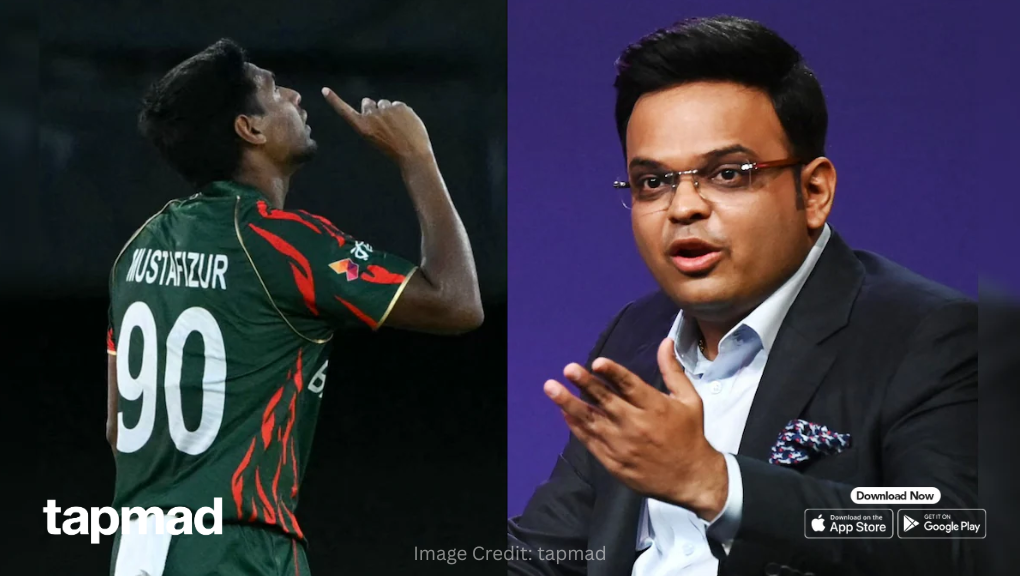

The International Cricket Council has rejected all accreditation applications from Bangladeshi journalists for the upcoming T20 World Cup, denying them on-ground access in India and Sri Lanka.
Bangladesh Cricket Board media committee chairman Amzad Hossain said none of the 130–150 applicants were approved, a decision that came as a surprise given Bangladesh’s long history of covering ICC events.
This Bangladeshi journalist's barred episode comes against a sensitive backdrop. Bangladesh’s earlier decision not to travel to India due to security concerns is widely believed to have strained relations. Inside media circles, that link is being discussed quietly but firmly.
Accreditation Shock Spreads Fast
Several Bangladeshi photojournalists said initial approvals and visa support were later withdrawn without explanation. Veteran reporter Arifur Rahman Babu called the move unprecedented, noting journalists from member or associate nations are usually accredited regardless of team participation.
Media Bodies Consider Next Steps
Now president of the Bangladesh Sports Journalists Association, Arifur said discussions are underway with other media bodies to decide a collective response, including the possibility of a formal protest through the Ministry of Information and the BCB.
“There were options,” he noted, pointing out that Sri Lanka is also a host nation. “Access could have been arranged there.”
The ICC T20 World Cup accreditation ban has also reignited debate over transparency within the global body. Critics argue that media access should remain separate from administrative or political disputes.
Silence From The ICC
As of filing, the ICC media department had not issued a response. That silence has only fueled frustration.
For Bangladeshi reporters, this is more than a missed assignment. It is about professional recognition and the right to tell cricket’s biggest stories. With the tournament nearing, the fallout from Bangladeshi journalists barred from coverage is unlikely to fade quietly.