


June 1, 2026
ICC Allows Pink Ball Use in Traditional Tests to Reduce Bad Light Delays
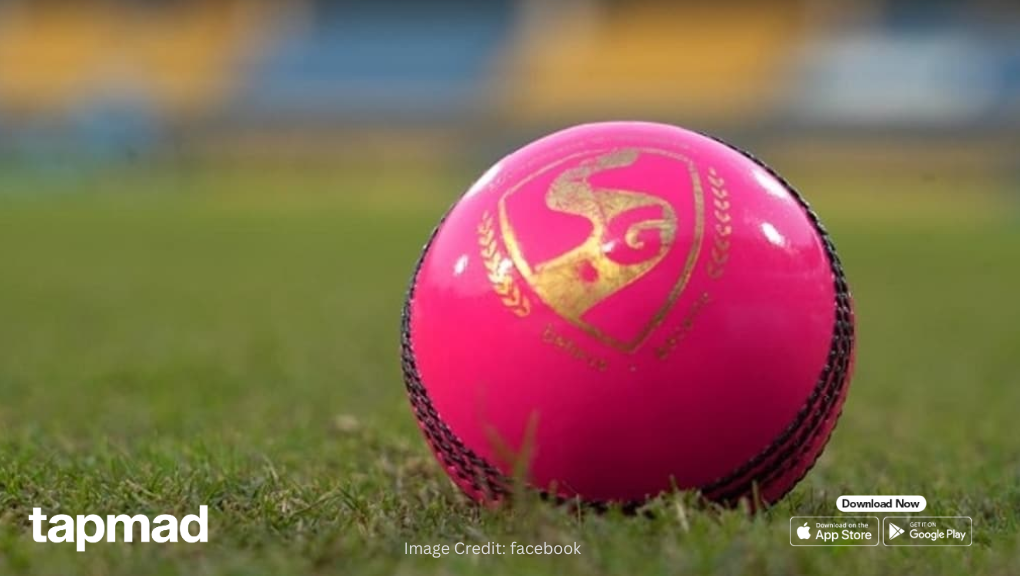

The ICC has approved a trial aimed at reducing stoppages caused by bad light in Test cricket. Under the new rule, teams can agree before the start of a Test match to switch from a red ball to a pink ball if poor light is expected to affect play.
The move was among several recommendations from the Chief Executives Committee that received approval from the ICC Board during its meeting in Ahmedabad on Sunday. Until now, pink balls had only been used in day-night Tests, which are played mostly in Australia.
The new trial will allow a match that starts with a red ball to continue with a pink ball if light conditions worsen, helping officials keep play going under floodlights and reducing the number of overs lost because of bad light.
The new playing conditions are not expected to be ready in time for the upcoming series between New Zealand vs England, which begins on June 4.
The ICC board meeting also approved another change that will allow head coaches, or other designated team staff, to step onto the field during scheduled drinks breaks in ODIs and T20Is to speak directly with players.
Previously, this was not allowed in international cricket, and teams could only pass messages through players carrying drinks. However, direct communication between coaches and players during breaks has long been common in franchise leagues such as the IPL, where coaches regularly meet their players during strategic timeouts.
The ICC has also confirmed that the innings break in T20 Internationals will be 15 minutes, with batters expected to be ready when play resumes.
In 2025, the ICC tested a new approach to wide-ball decisions that gave bowlers a little more room on the leg side. Following those trials, it has decided to permanently use guideline markings to help umpires judge leg-side wides more accurately, particularly when batters move around in the crease before receiving the ball.
The ICC also announced that match officials will be able to use Hawk-Eye data when assessing bowlers with suspected illegal actions. This information will assist them in deciding whether a bowler should be reported for further review.