


November 6, 2025
How Virat Kohli Changed India’s Attitude Towards Fitness and Aggression
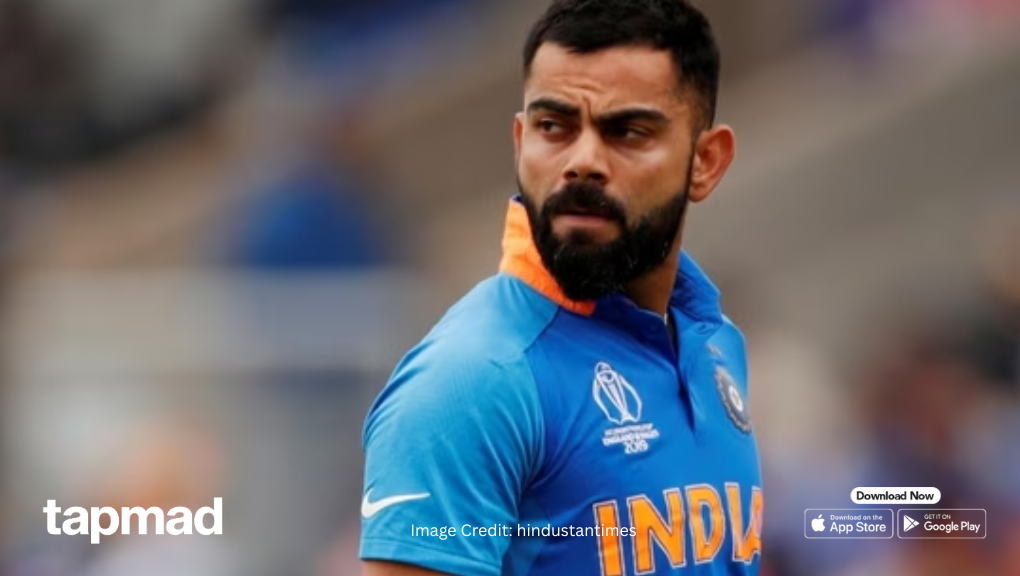

Virat Kohli emerged at a time when Indian cricket had technical brilliance but lacked the sustained aggression and athletic fitness visible in other top teams. With the arrival of Kohli’s style, aggressive body language, refusal to accept second best, and superior fitness, the Indian team began to shift in identity.
Former Australian pacer Mitchell Johnson captured this when he wrote: “One of Kohli’s attributes stood out early to me above all others, he was up for the fight! That kind of aggressive attitude was something we had rarely seen from an Indian player at that point. … He took his team with him as well, so it’s not an understatement to say that Kohli changed the face of Indian cricket.”
In that way, the “Virat Kohli attitude” became shorthand for fearless commitment. He laid the foundations for what became the “Indian cricket team fitness revolution”.
Fitness Revolution, Building a New Standard
Prior to Kohli’s era, Indian cricket did not consistently prioritise elite athleticism as a team-wide culture. Some players were lean, agile, and fielded well, but the standard was uneven. Kohli addressed that.
He transformed his own body and habits: stricter diet, improved gym training, recovery protocols, and fitness tests such as the Yo-Yo test, becoming benchmarks. His personal turnaround became a visible example.
This shift catalysed the “Indian cricket fitness culture”. Under Kohli’s influence, fitness ceased being optional and became integral. Fielding improved, running between the wickets became sharper, and stamina in long Test matches increased.
Coaching staff and teammates began to accept that skill alone wasn’t enough; fitness, agility, and mental readiness were equally crucial.
Discipline, Motivation, and Leadership
Virat Kohli’s rise in cricket has been a lesson in how discipline and unwavering motivation can transform not just an individual’s career, but also an entire team. From his early days as a raw, emotional cricketer, Kohli has evolved into a model of consistency and leadership. His journey wasn’t solely defined by his natural talent but by his commitment to self-improvement and relentless discipline.
Discipline in Daily Life
Kohli’s rise hinged not just on natural talent but on an iron discipline. After early years of inconsistent output and high emotion, he decided to take control of his body, mind, and performance. His motto: motivation may wane, but discipline endures.
Motivation Rooted in Personal Loss
One deeply defining moment: at age 18, early in his domestic career, Kohli lost his father. Despite grieving, he chose to bat in the next match for his domestic team. He said, “I said I wanted to play, because for me not completing a cricket game is a sin.” He revealed that his father’s dream of seeing him play for India drove him to carry on.
This incident became a turning point in how he approached cricket and life: purpose above pain, commitment above convenience.
Leadership by Example
As captain, Kohli demanded the same standards he set for himself. Fitness tests, intense training sessions, accountability: he ushered in a culture where every player knew that effort, body condition, and mental resolve mattered equally to talent. This helped turn the Indian side into a more consistent, aggressive unit.
The Aggressive Edge - With Purpose
Aggression in sport can be a double-edged sword. Kohli’s version was forceful but purposeful. He showed the team that aggression wasn’t about theatrics, it was about intent. Under his influence, India moved from being reactive to being proactive, especially overseas.
His attitude made opponents uncomfortable, and it made his own team believe they could push boundaries. As Johnson noted, India was “used to giving it but didn’t always get it back.” Kohli changed that dynamic.
Legacy and Generation Impact
Kohli’s influence extends beyond his individual records. The standards and culture he helped build now shape young Indian cricketers entering the system. Fitness centres, academies, and youth programs increasingly talk in terms of athleticism, conditioning, and mental toughness that were less emphasized before his era.
His legacy lies not only in hundreds and averages but in changing what it means to be an Indian cricketer: fit, aggressive, disciplined, and unapologetically competitive.
Conclusion
Virat Kohli changed Indian cricket’s mindset. By combining relentless fitness, uncompromising attitude, disciplined motivation, and leadership by action, he triggered what can rightly be called the Indian cricket team fitness revolution. He showed that attitude matters just as much as technique, and fitness is not a bonus; it’s a foundation. His journey stands as proof that when talent meets purpose and preparation, culture itself transforms.