


June 3, 2026
FIFA World Cup Rule Overhaul Set to Reshape Matches in 2026
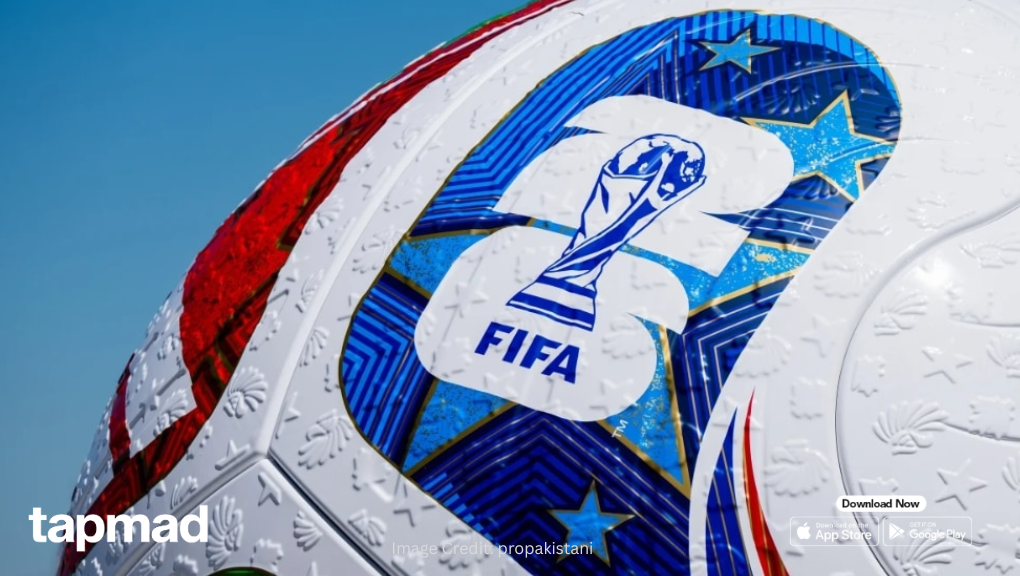

The FIFA World Cup 2026 is just days away, but attention is already shifting beyond the opening matches after FIFA confirmed a series of rule changes that could reshape the way football's biggest tournament is played.
The updates focus on one issue that has frustrated players, coaches and supporters for years: wasted time.
From throw-ins and goal kicks to substitutions and video reviews, the game's lawmakers have introduced measures designed to keep the ball in play for longer. Several of the adjustments have already been tested in competitions around the world, but their expected arrival on football's biggest stage has generated fresh debate.
One thing is certain, the upcoming tournament in the United States, Canada and Mexico may look noticeably different from previous editions.
The Key Changes at a Glance
Throw-in countdown (5 seconds)
Players will have just five seconds to restart play from a throw-in. Any unnecessary delay could result in possession being awarded to the opposing team as FIFA looks to curb time-wasting.
Goal-kick countdown (5 seconds)
Goalkeepers must take goal kicks within five seconds. Failure to do so could see the opposition awarded a corner kick, introducing a stricter approach to delaying tactics.
Time-limited substitutions (10 seconds)
Players being substituted are required to leave the field within 10 seconds at the nearest exit point. Delays could temporarily prevent the replacement from entering, leaving the team short-handed.
Off-field treatment rule (60 seconds)
Outfield players receiving medical treatment must generally remain off the pitch for one minute before returning, a measure designed to reduce stoppages and keep matches moving.
New stance on players covering their mouths
Referees will be given greater authority to act against players who deliberately cover their mouths during confrontations, with FIFA aiming to improve transparency on the field.
VAR reviews for corner-kick decisions
Video Assistant Referee technology can be used to review certain corner-kick decisions, provided the check is completed before play resumes.
VAR reviews for second-yellow dismissals
Officials will be able to review incidents involving a player's second yellow card when it results in a sending-off, offering an additional layer of accuracy in crucial decisions.
The most talked-about changes involve time management.
For years, fans have watched players slowly stroll toward touchlines, goalkeepers hold the ball for extended periods and teams protect narrow leads by draining precious seconds. FIFA clearly believes enough is enough.
The new countdown rules place responsibility directly on players. Officials will have greater authority to act immediately rather than simply issuing warnings.
That one moment flipped everything.
Many observers point to the 2022 World Cup as the turning point. Referees were instructed to calculate stoppage time more accurately, producing matches with significantly longer added periods. The latest measures appear to be the next step in that process.
Another major talking point surrounds VAR Rule Changes.
Video review technology has already transformed football, yet criticism has remained constant. Lengthy delays and inconsistent interventions have left supporters frustrated across several leagues and international tournaments.
The latest VAR Rule Changes seek to address some of those concerns.
Allowing reviews on corner-kick decisions and second-yellow dismissals could help correct costly mistakes that previously escaped scrutiny. However, critics argue that expanding VAR's reach may create additional interruptions if not handled efficiently.
Either way, video technology will once again sit at the centre of the conversation when the tournament begins.
The treatment rule has also attracted attention. Under the updated approach, outfield players receiving medical assistance must typically remain off the pitch for 60 seconds before rejoining play. FIFA hopes this discourages players from exaggerating injuries purely to break momentum. Goalkeepers and certain exceptional situations remain exempt.
Then there is the issue of player conduct.
One proposal gaining significant attention involves players covering their mouths during heated exchanges. Officials believe hidden conversations can complicate disciplinary matters, particularly during confrontations involving multiple players.
While enforcement details remain under discussion, the move signals FIFA's desire for greater transparency on the field.
These adjustments form part of wider Football Law Updates being introduced across the game. Administrators argue modern football requires stronger protections against delays and manipulation.
Supporters will soon discover whether those Football Law Updates produce smoother matches or simply create fresh talking points.
For teams preparing for North America 2026, adaptation will be crucial. Coaches must educate players on stricter timings, goalkeepers will need quicker routines, and substitutes cannot afford unnecessary delays.
One lapse could change a match. One decision could shape a tournament. And when the world gathers for football's grandest event, every second may matter more than ever before.
For more football coverage, visit our news section.