


July 7, 2026
FIFA World Cup Integrity Under Fire After Balogun Decision
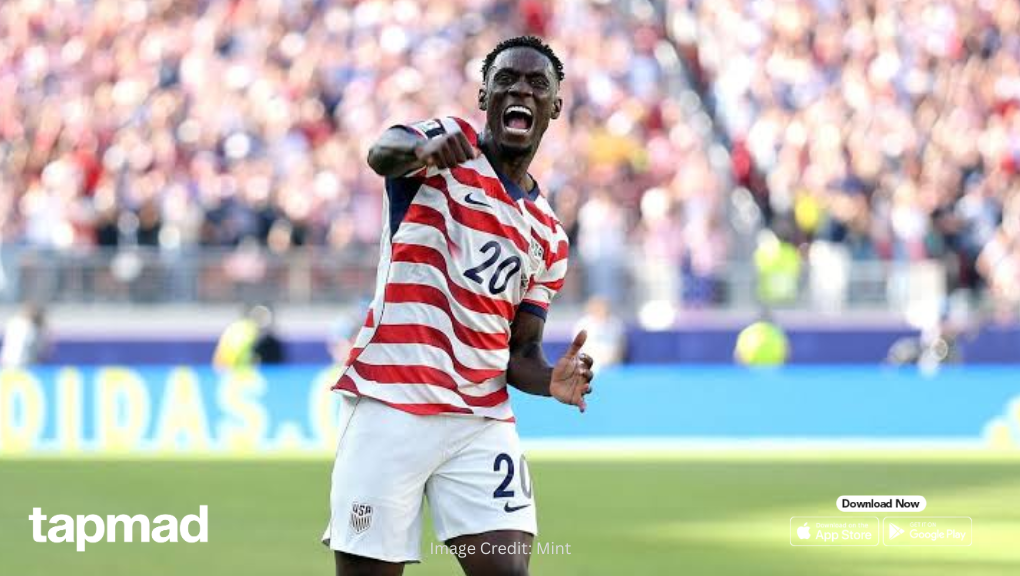

The Folarin Balogun Suspension controversy has erupted into one of the biggest talking points of the FIFA World Cup, with FIFA facing accusations that its disciplinary process has been compromised after overturning the United States striker's automatic ban.
The decision arrived only hours before the United States faced Belgium in the Round of 16. Balogun was cleared to play despite receiving a red card against Bosnia and Herzegovina, a dismissal that normally carries an automatic one-match suspension.
His availability did little to change the outcome. Belgium comfortably defeated the United States 4-1 to reach the quarter finals, but the result failed to quiet the debate surrounding FIFA's decision.
Far from it. Across Europe, football authorities, national federations and coaches questioned whether the FIFA World Cup Integrity had been damaged by a ruling many described as unprecedented.
UEFA and football leaders challenge FIFA's decision
The controversy intensified after it emerged that United States President Donald Trump had spoken with FIFA president Gianni Infantino before the suspension was lifted.
Trump later confirmed making the call, saying he believed Balogun's red card was a poor decision and asked FIFA to review the incident. He insisted he did not pressure anyone to reach a particular verdict.
Infantino maintained that FIFA's judicial bodies acted independently and denied influencing the disciplinary committee.
That explanation failed to satisfy several football organizations.
UEFA released a strongly worded statement, describing the decision as "unprecedented, incomprehensible and unjustifiable." The governing body warned that consistent application of football's laws is essential if competitions are to maintain credibility.
Former FIFA president Sepp Blatter also entered the debate, arguing that disciplinary rulings should be determined only through established regulations and independent legal procedures.
The Swiss Football Association echoed similar concerns, saying confidence in international tournaments depends on rules being enforced equally for every nation.
Belgium also challenged Balogun's eligibility before kickoff, but FIFA's appeals committee dismissed the protest, ruling that the Belgian Football Association had no legal standing to contest the disciplinary outcome.
Belgian officials indicated they could still examine further legal options, including an appeal to the Court of Arbitration for Sport.
Questions surrounding FIFA World Cup Integrity continued long after the final whistle in Seattle.
Norway coach Ståle Solbakken openly wondered how future red cards would now be handled if disciplinary sanctions could be reconsidered during the tournament.
England manager Thomas Tuchel raised similar concerns, asking whether yellow cards or other disciplinary decisions could also become subject to review.
FIFA defended its position by arguing that reviewing the consequences of red cards already exists in many domestic competitions across Europe. According to FIFA, reconsidering sanctions is not a new concept within football's disciplinary framework.
Critics, however, pointed to one important difference.
Many argued that overturning an automatic World Cup suspension during the tournament itself creates uncertainty over rules that players, coaches and supporters have always considered fixed.
The incident has also renewed attention on Infantino's close relationship with Trump.
Their ties have drawn criticism before, including last year's FIFA Congress, where several European delegates protested Infantino's delayed arrival after meetings with Trump overseas. More recently, Norway supported an ethics complaint questioning whether FIFA's political neutrality had been maintained.
The Balogun case is not the first disciplinary decision to attract scrutiny during this World Cup.
Cristiano Ronaldo entered the tournament after receiving disciplinary relief following a qualifying red card, while Ecuador's Moisés Caicedo, Argentina's Nicolás Otamendi and Qatar's Tarek Salman also avoided serving suspensions at the finals after FIFA altered previous disciplinary practice.
Meanwhile, South Africa's Themba Zwane received a three-match suspension for a comparable challenge earlier in the tournament without similar leniency.
Those contrasting outcomes have fueled criticism that disciplinary standards have become inconsistent.
For now, Belgium advances, the United States heads home, and FIFA faces growing pressure to explain why one of the World Cup's longest-standing disciplinary principles suddenly changed during the tournament.
The football itself has taken a back seat. The questions surrounding the tournament's governance are only getting louder.