


March 19, 2026
FIFA Makes Female Coaches Mandatory in Women’s Tournaments
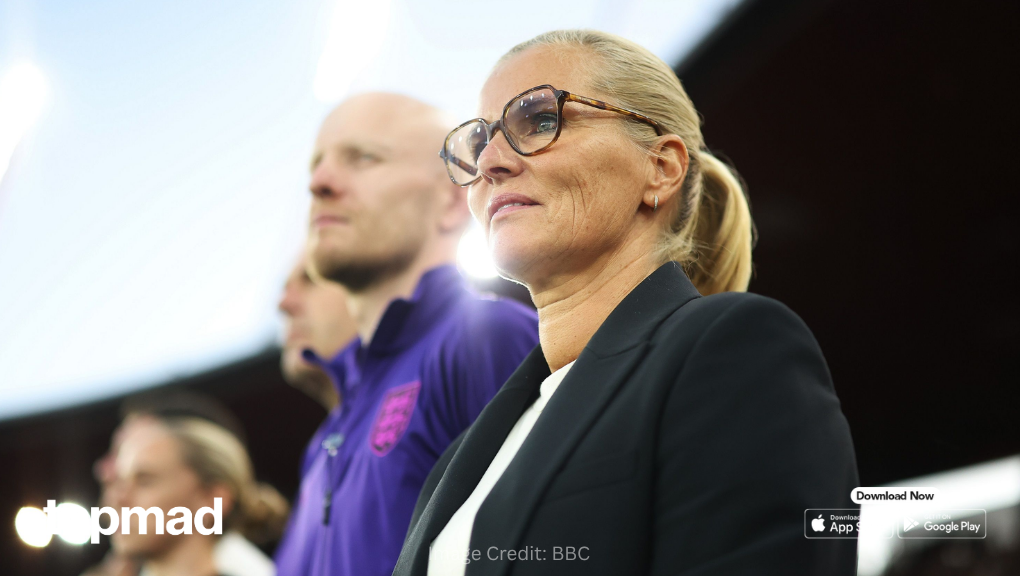

FIFA has taken a significant step toward gender inclusion with the introduction of the FIFA female coaches rule, making it compulsory for teams in women’s competitions to include female coaches. Under the newly approved regulations, every team must appoint at least one female head coach or assistant coach.
The rules were finalized by the FIFA Council and will be implemented starting with this year’s U17 and U20 Women’s World Cups, along with the Women’s Champions Cup. Importantly, the regulation will also apply to the upcoming senior Women’s World Cup scheduled in Brazil next year.
Key Requirements for Teams
According to the updated guidelines, teams must also have at least two female staff members present on the bench during matches. This requirement will apply across all FIFA women’s tournaments, from youth competitions to the senior international stage.
FIFA’s Chief Football Officer Jill Ellis highlighted the need for change, stating:
"There are simply not enough women in coaching today. We must do more to accelerate change by creating clearer pathways, expanding opportunities, and increasing the visibility for women on our sidelines.
"The new FIFA regulations, combined with targeted development programmes, mark an important investment in both the current and future generation of female coaches."
Addressing the Representation Gap
The decision comes in response to a noticeable imbalance in coaching representation. During the 2023 Women’s World Cup in Australia, only 12 out of 32 head coaches were women. Notably, Sarina Wiegman was the only female coach to reach beyond the round of 16, eventually guiding England to a runner-up finish.
Further data underlines the disparity. FIFA’s 2023 Member Associations Survey revealed that just 5% of coaches across both men’s and women’s teams were female. Meanwhile, the 2024 “Setting the Pace” report, which analyzed 86 women’s leagues globally, found that only 22% of head coaches were women.
Long-Term Vision for Women’s Football
FIFA believes these reforms are part of a broader, long-term strategy to ensure that leadership roles evolve alongside the rapid growth of women’s football worldwide. The organization has already introduced initiatives such as scholarship programs for women in top leagues to obtain UEFA Pro and A coaching licenses.
By enforcing the FIFA female coaches rule, the governing body aims to create sustainable pathways and strengthen representation in women’s football coaching, inspiring future generations to pursue leadership roles in the game.