


September 29, 2025
Different Sunday, Same Script: Pakistan's Promising Final Gets an Inevitable Ending

A Familiar Rivalry, a Familiar Ending
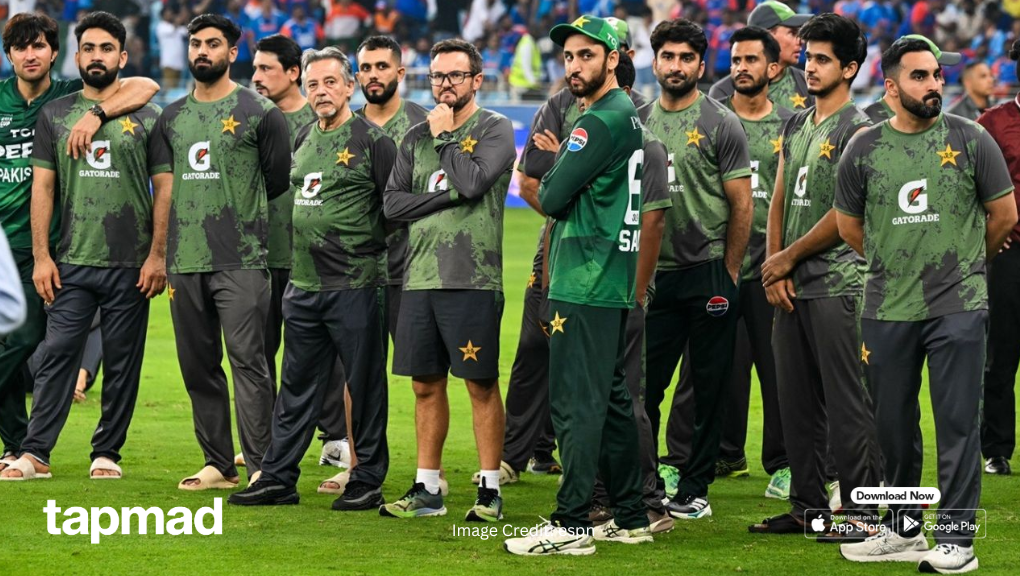
The Pakistan vs India Asia Cup final recap reads like a familiar script. Both teams started the contest with momentum, but before a ball was bowled, the history was taken against them. Over the decades, this rivalry has been weighted much higher than the cricket itself; passion, pride, and politics are all mixed in one. But when the dust cleared in Dubai, India had been able to walk away champions once more, and Pakistan were left to wrestle with another Pakistan final heartbreak story.
The Build-Up: A Nation’s Hopes
The way into the final had been dramatic in Pakistan. They had barely escaped the danger of elimination earlier in the tournament, but now they are fighting back with determination to find a way into the final. That toughness developed faith: perhaps this group was capable of overthrowing the old story. At the time of matches in Pakistan, crowds had been closely following each match, and even back home, ticket prices were being discussed as demand surged at Karachi and Lahore to see the events.
The fans, by the time they arrived in Dubai for the final, were desperate for victory. To most, the high prices of the tickets were not merely a ticket to go, but an investment in the dream, an opportunity to see Pakistan write history afresh.
A Strong Beginning
The match began brightly. The tone was established by Sahibzada Farhan, whose clean drives were followed by Saim Ayub, whose aim was to finally shut the critics. With 113 for 1, Pakistan was in command of up to 100 to stretch India. Every step down the field was cheered, the green shirts bounced together, thinking this could be the night the script was rewritten.
But there was tension below the surface. Everybody was aware of how much momentum could change in an India-Pakistan final.
The Collapse: A Script Replayed
What followed was painfully familiar. Pakistan went from dominant to desperate in a blink. Their last nine wickets tumbled for just 33 runs. Bowlers who had looked steady suddenly lost rhythm, and batters who had promised poise surrendered to reckless shots.
India’s spinners were ruthless. In just 12 overs, they conceded only 86 runs and claimed eight wickets. Pakistan tried to break free, but every attempt at aggression felt forced. Salman Agha’s dismissal, mistimed and awkward, summed up the collapse. Talat soon followed, attempting power-hitting without power. What should have been a commanding finish shrank into a modest 146 all out.
For Pakistan, it was more than just numbers on the scoreboard; it was a repeat of Pakistan’s recurring final failures that have haunted them across tournaments.
India’s Response: Composure Over Chaos
India’s chase was no fairytale stroll. Within minutes, their top order crumbled, leaving them 20 for 3. The crowd suddenly shifted, and Pakistani fans found their voices, chanting louder, urging their bowlers to deliver the killer blow. For a brief moment, the green shirts dared to dream again.
But then came Tilak Varma and Shivam Dube. Calm where others panicked, they stitched together a stand that slowly drained Pakistan’s energy. Tilak’s unbeaten 69, filled with elegant drives and fearless strokes, and Dube’s 33 off 22, steadied the innings. Their 60-run partnership went in favor of India, and this indicated that sometimes composure will do better than adrenaline when it comes to finals.
India had crossed the finish line with two balls in hand; it seemed as though it was only inevitable. The Indian fans sent the Dubai night ringing, and Pakistani fans sat in shocked silence with their heads bowed.
Patterns in Pakistan’s Failures
Why is this script replicating? Analysts and fans both cite a number of common weaknesses:
- Middle-order weakness: On many occasions, the Pakistani batting has failed after the fall of the openers.
- Captaincy in question: Salman Agha could not anchor or accelerate at the right time because his strike rate (under 81 in the Asia Cup) indicated this.
- Over-aggression against spin: Against India’s spinners department, Pakistan swung hard but not very wisely, giving away key wickets.
- Psychological baggage: The burden of the past against India weighs on Pakistan’s mind and causes panic in times when it is required not to panic.
These elements combine into a narrative that defines Pakistan’s recurring final failures and feeds into the never-ending cycle of a Pakistan final heartbreak story.
The Atmosphere in Dubai
The atmosphere inside the stadium mirrored the drama on the pitch. The stands were a sea of green and blue, every run greeted with chants, drums, and whistles. Ticket demand had been so high that resale rates were nearly three times the original ticket price, yet thousands still paid.
For Pakistani fans, it wasn’t just a cricket match; it was a cultural event, a chance to witness history. Many left heartbroken, but they stayed to applaud their team, hoping their sacrifice of money, energy, and faith would one day pay off with silverware.
What Lies Ahead for Pakistan
This loss hurts, but it has its lessons too. The management of Pakistan now has to:
- Establish a strong middle order, which can properly absorb pressure.
- Define batting roles, especially for aggressive but erratic players such as Haris.
- Work out counter tactics to spin, in which failures are most common.
- Striking a balance between planning in the long term and playing in the short term without a revolution is taking a risk of losing the trust of fans.
There are still shining lights in the team: the beginner Farhan, bowling by Shaheen, and the potential Ayub. Unless they are carefully interwoven into a unified strategy, though, heartbreak will remain their story.
Final Thoughts
The loss on Sunday was not a mere loss but another page in the long book of near misses of Pakistan. They had India when it was most vulnerable, and failed to give it the finishing blow. To fans, it was breaking a night of hope to despair.
Yet cricket is nothing if not cyclical. Pakistan will regroup, rise again, and aim to shatter this script in future tournaments. Until then, the 2025 Asia Cup final will be remembered as yet another Pakistan final heartbreak story, a different Sunday, same ending, etched into Pakistan’s recurring final failures.